Operational guide · French Tax Code art. 1649 A — forms 3916 / 3916-bis

Foreign bank accounts — 2026 obligations

All French tax residents must report annually their foreign bank accounts, Luxembourg life-insurance policies and digital-asset accounts (French Tax Code art. 1649 A). Penalties: €1,500 per undeclared account, €10,000 for countries without a treaty, a surcharge of up to 80% in the event of fraud, and a reassessment period extended to 10 years (Tax Procedure Code art. L.169 para. 5). The automatic CRS exchange since 2017 makes the detection of undeclared accounts unavoidable.

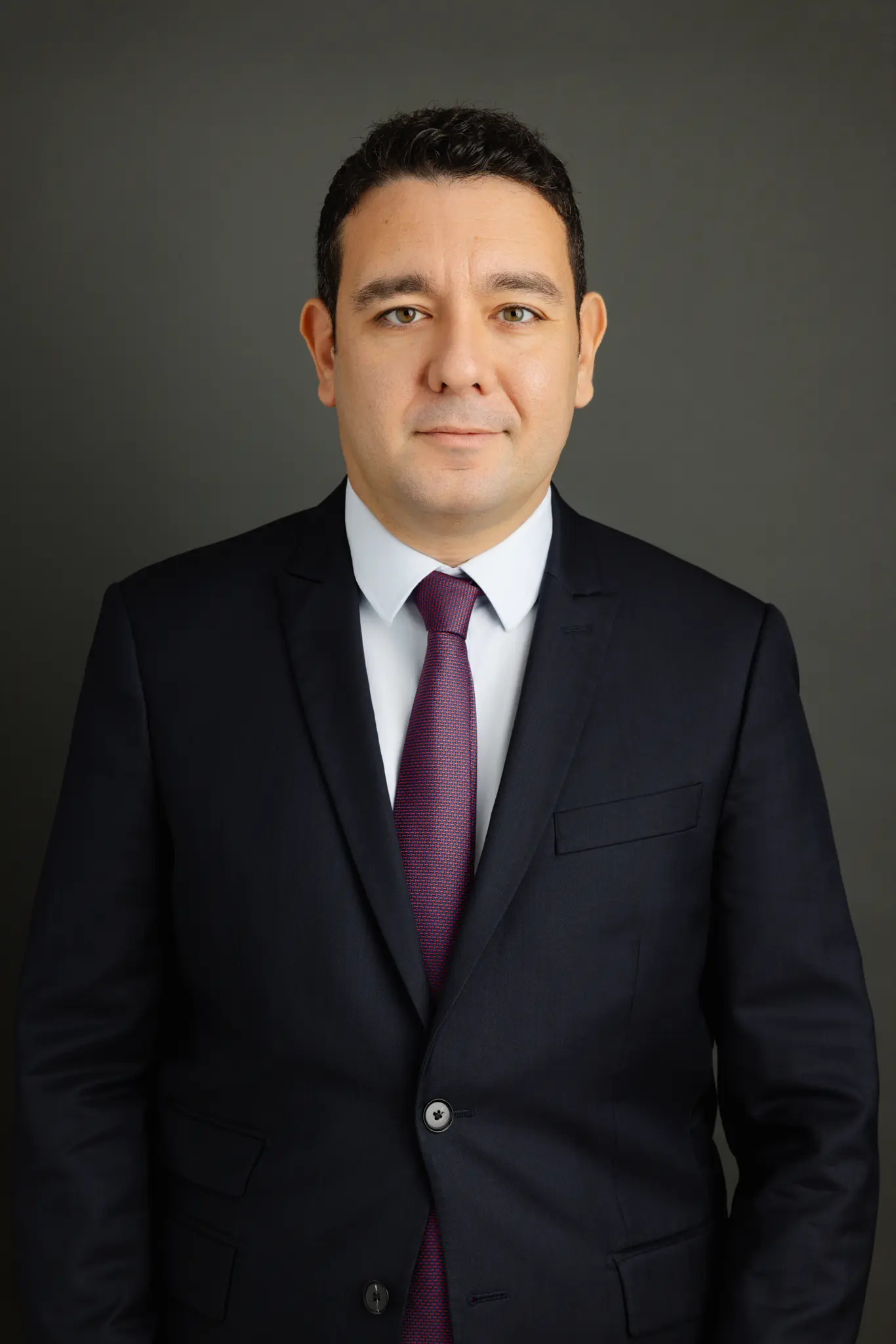
Analysis by Maître Jonathan Bensaid · Tax lawyer · Paris & Geneva · 9 April 2026
— 01

The essentials in 30 seconds

Every French tax resident must report annually all foreign bank accounts opened, held, used or closed during the year — including accounts in which they are an indirect beneficial owner through a company or a structure (French Tax Code art. 1649 A).

Three forms to know: 3916 (bank accounts), 3916-bis (foreign life insurance and digital assets since 2019), to be filed with the annual income tax return no. 2042. One report per account / policy / wallet — with no aggregation ceiling.

Financial penalties: €1,500 per undeclared account (€10,000 for countries without a treaty), a fraud surcharge of up to 80%, and above all a reassessment period extended to 10 years (Tax Procedure Code art. L.169 para. 5). With the automatic CRS exchange (100+ jurisdictions), detection has become unavoidable.

— 02

Obligations, forms, penalties and CRS exchange

01

1. Who must report?

Every French tax resident — regardless of nationality.

  • Accounts opened, held, used or closed during the year
  • Indirect beneficial owners through a company or trust
  • Power of attorney / authorised signature on a third party's account creates the obligation
  • Business and personal accounts — without distinction
  • No minimum balance threshold
02

2. Forms to file

Three separate forms depending on the nature of the asset held abroad.

  • Form 3916 — ordinary bank accounts (current accounts, savings accounts, securities accounts)
  • Form 3916-bis — foreign life-insurance policies (since 2014) AND digital-asset / crypto accounts (since 2019)
  • Schedules to the 2042 return — filed at the same time as the income tax return
  • One report per account / policy / wallet
  • Mandatory disclosure of full references: IBAN, BIC, bank, country, opening/closing date
03

3. Financial penalties

Cumulative: administrative fine + evaded tax + late-payment interest + fraud surcharge.

  • €1,500 per account / year undeclared (French Tax Code art. 1736 IV)
  • €10,000 per account / year for countries without an assistance treaty
  • Surcharge of up to 80% on evaded tax (French Tax Code art. 1729)
  • Reassessment period extended to 10 years (Tax Procedure Code art. L.169 para. 5)
  • Penalties per account and per year — with no overall ceiling
04

4. Automatic CRS exchange

OECD Common Reporting Standard — France has received the data automatically since 2017.

  • 100+ participating jurisdictions (Switzerland, Luxembourg, UK, US via FATCA, etc.)
  • Data exchanged: holder's identity, balances, interest, dividends, capital gains
  • First exchange in September of each year (year N-1 data)
  • Detection of undeclared accounts almost automatic
  • Interaction with the DAC directives (EU) — DAC2, DAC6, DAC8 (crypto)
— 03

Voluntary disclosure — process & comparative cost

Before an audit, voluntary disclosure divides the final cost by 4 to 10.

Three steps — letter, corrective returns, negotiated payment

The voluntary disclosure of an undeclared foreign account remains possible at any time, as long as no tax audit has been initiated. The final cost is significantly reduced compared with an imposed audit: the surcharge is brought down from 80% to 40% where good faith is documented.

Disclosure process

Step 1 — Disclosure letter to the tax office (SIE)

A letter addressed to the taxpayer's Business or Individuals Tax Office, setting out the factual situation, the origin of the funds (inheritance, expatriation, past salaries), and the request for regularisation. This step establishes good faith before any administrative follow-up.

Step 2 — Corrective returns over 10 years

Filing of the missing 3916 forms + corrective 2042 income tax returns for the years not time-barred (10 years in the event of failure to report a foreign account, Tax Procedure Code art. L.169 para. 5). Recalculation of the tax due on the account's income (interest, capital gains, dividends).

Step 3 — Payment & negotiation

Payment of the tax due + late-payment interest (0.20%/month). Negotiation of the surcharge: brought down to 40% instead of 80% for taxpayers documenting their good faith, and even to 0% in certain exceptional cases (undeclared inheritance out of genuine ignorance, etc.).

Comparative cost — worked example

Luxembourg account of €280K (inheritance + undeclared interest over 10 years). Imposed audit: 10 years of income tax reassessment + 80% surcharge + €1,500 × 10 years = ~€150K. Voluntary disclosure: tax due + 40% surcharge + reduced fine = ~€38K. Saving: ~€112K.

— 04

Lead counsel — Maître Jonathan Bensaid

Maître Jonathan Bensaid, founding partner of the firm, member of the Paris & Geneva Bars, advises taxpayers on the voluntary disclosure of foreign accounts (Switzerland, Luxembourg, UK, US): historical audit, documentary reconstruction, letter to the tax office, negotiation of the surcharge, post-disclosure security.

  • French Tax Code art. 1649 A
  • French Tax Code art. 1736 IV
  • Tax Procedure Code art. L.169 para. 5
  • Forms 3916 / 3916-bis
  • CRS / DAC
  • Paris & Geneva Bars
— 05

Q&A — frequently asked questions on foreign accounts

Must I report a foreign account even if it is inactive?

Yes. The obligation under article 1649 A of the French Tax Code covers all accounts opened, held, used or closed during the year — with no balance threshold and no activity requirement. An account with a €1 balance, or an account closed during the year, must be reported via form 3916.

What is the difference between 3916 and 3916-bis?

Form 3916 covers ordinary bank accounts (current accounts, savings accounts, securities accounts). Form 3916-bis (introduced in 2014) covers foreign life-insurance policies, and since 2019 digital-asset accounts (crypto, wallets on foreign platforms). A separate report is required per account / policy / wallet.

What is the reassessment period available to the tax authorities for an undeclared account?

10 years instead of the 3-year ordinary period (Tax Procedure Code art. L.169 para. 5). The authorities may therefore reach back over the 10 non-time-barred years, which can represent considerable sums if the account generates undeclared income (interest, capital gains, dividends). The period runs from 31 December of the year concerned.

Is voluntary disclosure still possible in 2026?

Yes, at any time as long as no audit notice has been received. The corrective-returns processing service (STDR), which operated from 2013 to 2017, no longer exists, but disclosure remains possible with the competent tax office. It remains strongly recommended given the automatic CRS exchange, which makes detection unavoidable.

Do the penalties also apply to accounts in Switzerland or Luxembourg?

Yes — the fine is €1,500/year/account for countries that have signed an assistance treaty with France (Switzerland, Luxembourg, UK, etc.). The fine rises to €10,000/year/account only for countries without a treaty. Switzerland and Luxembourg participate in the CRS and therefore exchange data automatically — detection is almost systematic today.

Cité par

Disclose a foreign account with full security

A confidential initial consultation. Historical audit, documentary reconstruction, letter to the tax office, negotiation of the surcharge, full support through to payment.