Transferring wealth gratuitously
Impossible. The donative fiducie is void as a matter of public policy (art. 2013). A transmission is prepared with the tools of gift and inheritance law; the fiducie can at most accompany it, never carry it.

BENSAID Avocats acts in management fiducie matters to ensure the administration of assets, operational continuity and fiduciary reporting within a secure contractual framework. The management fiducie organises the administration and safekeeping of assets according to powers and reporting defined by contract, with asset segregation and dedicated governance.
In a management fiducie, everything turns on one sentence of the agreement: the mission. Article 2018, 6° of the Civil Code requires it to define, on pain of nullity, the fiduciary's mission and the scope of its powers of administration and disposal. A fiduciary can thus be confined to collecting rents, or authorised to sell. Between the two, everything is a matter of drafting.
The counterpart of these powers is the duty to account, organised by article 2022. The agreement sets its terms and frequency; upon request, the beneficiary and the third party designated under article 2017 also receive the accounts.
This is why a management fiducie is drafted like a mandate, not like a security: what the fiduciary may not do must be written as clearly as what it must do. The firm itself acts as fiduciary, which gives this drafting a very concrete meaning: we write the obligations we undertake to honour.
A warning first, because it comes up in almost every first meeting. Article 2013 of the Civil Code provides that a fiducie agreement is void if it proceeds from a donative intent in favour of the beneficiary, and that this nullity is a matter of public policy. The fiducie therefore replaces neither a gift nor a will: it organises management, it does not transfer wealth gratuitously.
Impossible. The donative fiducie is void as a matter of public policy (art. 2013). A transmission is prepared with the tools of gift and inheritance law; the fiducie can at most accompany it, never carry it.
The fiduciary estate is separate, but a fiducie set up in fraud of creditors' rights remains open to challenge, notably through the action paulienne. Separation protects a transaction; it does not erase a debt.
The fiducie is built to be tax neutral: it creates no friction, but it opens no preferential regime either. Whoever chooses it for that reason has picked the wrong tool.
Article 2015 of the Civil Code reserves the role of fiduciary to credit institutions, the institutions and services of article L. 518-1 of the monetary and financial code, investment firms, portfolio management companies, insurance undertakings — and lawyers. A trusted relative, however competent, cannot hold it.
The fiducie (article 2011 of the Civil Code) allows a settlor to transfer assets, rights or security to a fiduciary tasked with managing them autonomously for defined purposes, for the benefit of one or more beneficiaries.
The management fiducie organises the administration and safekeeping of assets according to powers and reporting defined by contract, with asset segregation and dedicated governance. It adapts to a range of wealth and legal situations while offering bespoke management and reinforced contractual protection.
The firm deliberately takes on a limited number of matters to guarantee the partners' direct involvement in each case, and systematically assesses the relevance of acting before any engagement.
In an acquisition or a business dispute, a sum, securities or an asset must be placed in the hands of a strictly neutral third party until the conditions are satisfied. The firm organises a management fiducie serving as a fiduciary escrow, under a precise mandate.
During the restructuring of a group, certain assets must be isolated and managed away from creditors, without interrupting the business. The firm sets up a controlled fiduciary asset holding, with defined governance and reporting.
In a dispute between shareholders or during a business transfer, the securities are entrusted to a fiduciary who exercises the attached rights under a neutral and transparent mandate, in a logic of controlled shareholder governance, until the situation is resolved.
A real-estate or operating asset is administered by the fiduciary during the transition, ensuring uninterrupted continuity until the final transfer.
The management fiducie can also organise the administration of assets for the benefit of vulnerable persons: management and return rules defined by contract, civil-law and tax safeguards, and coordination with legal protection regimes.
Administration of asset portfolios comprising sensitive or complex assets: financial assets, real estate, intellectual property rights.
Phases of operational continuity, governance transition, execution of a management mandate over a defined period.
Three main benefits that underpin the value of the management fiducie.
Three roles and a precise contractual framework that structure every transaction.
The governance sets the fiduciary powers, the delegations, the commitment thresholds and the monitoring committees, with periodic reporting and external controls. The fiduciary lawyer plays a central role: structuring of powers, securing of decisions, compliance and traceability.
Transfers the assets to the fiduciary patrimony and defines the contractual management objectives. Chooses the fiduciary, the beneficiaries, the duration and the exit terms.
Administers the assets, exercises its powers and accounts for its actions according to the governance provided. Incurs liability in the event of a breach of its contractual or professional obligations.
Benefit(s) from the proceeds or the result of the management in accordance with the contract. May be the settlor itself, a third party, a family or an institution.
To go deeper into the management fiducie: asset governance, wealth holding, transfer engineering, contractual framework and long-term performance monitoring.
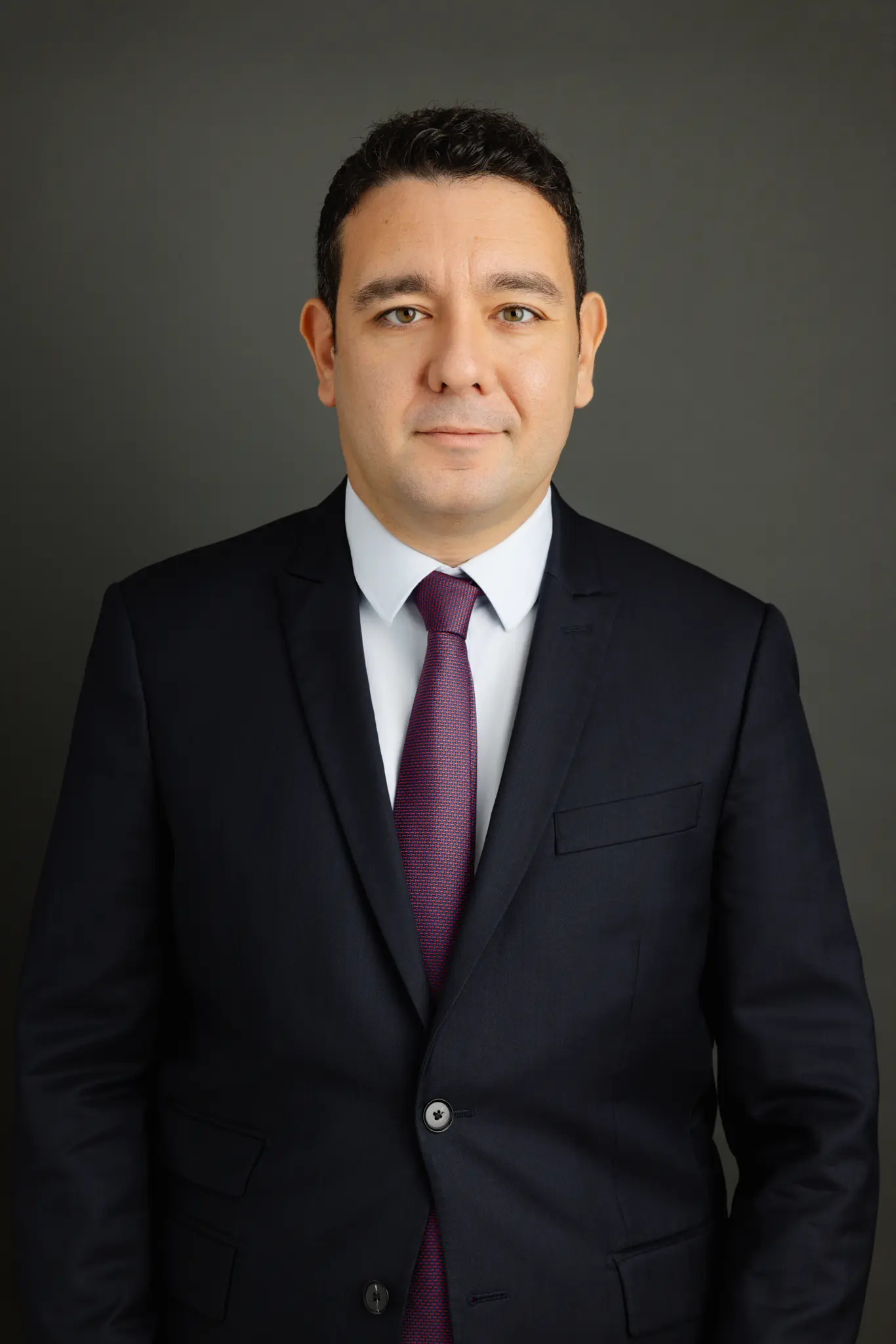
The firm's management fiducie practice is led by Jonathan Bensaid, founding partner, in coordination with a network of multidisciplinary experts (notaries, family officers, asset managers, financial advisers).
Jonathan BENSAID has developed a significant practice in fiducie transactions and complex financings. This expertise enables the firm's clients to obtain broad support, with a complete structuring of their projects, notably in real-estate matters.
The maximum duration of a management fiducie is 99 years. It must be expressly stipulated in the constitutive deed. Failing that, the fiducie is void.
Yes. The fiduciary assets are allocated to a separate patrimony. They fall outside insolvency proceedings opened against the settlor or the fiduciary (subject to claims linked to the management).
Any type of asset or right may be transferred: financial assets, shares, real property, copyright, patents, and so on. Including future assets if they are sufficiently identifiable.
The fiduciary lawyer structures the powers, secures the decisions, ensures compliance and traceability. The lawyer is bound by the reinforced professional obligations of the profession.
The two mechanisms serve different purposes but can be combined in certain structures. See security fiducie for the guarantee dimension of a financing.









All the firm's fiducie resources, accessible from this page.
An overview of the 4 forms of fiducie with an explanatory animation.
Voir la page Form of fiducieSecuring a creditor through a temporary transfer of ownership of an asset.
Voir la page Form of fiducieHolding, structuring or security over land and built assets.
Voir la page PracticeThe role, the guarantees and the obligations of the fiduciary lawyer.
Voir la pagePresent the context, the assets concerned and the management objectives, to assess the relevance of a management fiducie and arrange an initial consultation.
© BENSAID Avocats — The information on this site does not constitute legal advice. Civil Code, articles 2011 to 2030. Editorial update: April 2026.
No slot suits you? Describe your situation and the firm will call you back.