
Mobility practice — Artists & Sportspeople

Taxation of non-resident artists and sportspeople

A tax law firm in Paris, BENSAID Avocats advises artists, professional sportspeople, agents, producers, federations, event organisers and clubs on all tax matters connected with international mobility: withholding tax under article 182 A bis of the French Tax Code, application of article 17 of the OECD model, artists' companies (Tax Code art. 155 A), structuring of fees and image rights, securing of service contracts and coordination with bilateral tax treaties.

Paris · Geneva · Marseille · Cannes · Lisbon
— 01

Our approach to the taxation of performance

The taxation of non-resident artists and sportspeople follows a special regime: income derived from an activity personally carried out in France is in principle taxable there, by way of derogation from the ordinary rules of territoriality. This taxation takes the form of a withholding tax (Tax Code art. 182 A bis and 182 B), regardless of the place of payment and of the residence of the beneficial owner.

Our lawyers act for performing artists, musicians, actors, dancers, professional sportspeople, teams, federations, agents, producers and event organisers. We structure service contracts, secure the application of bilateral tax treaties (article 17 of the OECD model — the artists and sportspeople exception) and handle the questions raised by artists' companies (Tax Code art. 155 A), image rights and permanent establishment.

The firm deliberately takes on a limited number of matters to guarantee the partners' direct involvement, and coordinates its work with French and foreign counsel (Switzerland, United Kingdom, United States, Spain, Portugal) on cross-border operations.

— 02

Areas of practice

01

Withholding tax 182 A bis & 182 B

Securing and optimising withholding taxes on fees, bonuses, neighbouring rights and services rendered in France by non-residents.

  • Tax Code art. 182 A bis: 15% withholding on sums paid in consideration for artistic or sporting services rendered or used in France by non-residents.
  • Tax Code art. 182 B: progressive withholding on other services rendered in France (consulting, copyright, royalties).
  • Determination of the tax base (gross versus net), treatment of professional expenses and re-invoicing.
  • Reporting obligations (form 2494 bis), payment to the non-residents' tax office, interaction with VAT.
  • Withholding litigation: refunds, application of treaties, relief claims.
02

Tax treaties & article 17 OECD

Coordinated application of bilateral treaties and of the "artists and sportspeople" exception of the OECD model.

  • Article 17 of the OECD model: the income of artists and sportspeople is taxable in the State of performance, by derogation from articles 7 (business profits) and 14 (independent personal services).
  • Application of the France-Switzerland, France-United Kingdom, France-United States, France-Spain, France-Portugal and other treaties.
  • Elimination of double taxation by tax credit or exemption depending on the treaty.
  • Tax-residence strategies and choices linked to favourable tax residences (Monaco, Switzerland, Portugal — see our international tax watch).
  • Coordination with foreign counsel (USA, UK, ES, PT) on international tours.
03

Artists' companies & article 155 A

Structuring of service companies and anticipation of the risk of re-characterisation under article 155 A of the Tax Code.

  • Tax Code art. 155 A: taxation in France of remuneration paid to a person established outside France for services rendered by a person in France, where the latter controls the company or benefits from the remuneration.
  • Audit of loan-out structures, image rights companies and personal production companies.
  • Securing of flows between the artist, the service company, the producer and the organiser.
  • Interaction with foreign regimes (UK personal service companies, US loan-outs, Monaco companies).
  • Defence in the event of a reassessment based on article 155 A.
04

Image rights & royalties

Structuring and taxation of income from the exploitation of image, name, voice and neighbouring rights.

  • Tax characterisation of image rights: royalties (art. 12 OECD) versus service income.
  • Holding of the rights through a holding company or a dedicated company — securing in the light of article 155 A of the Tax Code.
  • Withholding tax on royalties paid to a non-resident (Tax Code art. 182 B).
  • Coordination with VAT on the licensing of rights, and with intellectual-property regimes.
  • Strategies for allocating fees / image / neighbouring rights in contracts.
05

Sportspeople & professional clubs

Advising on the transfers, bonuses and ancillary income of international sportspeople and their structures.

  • Taxation of transfer fees, signing bonuses, match bonuses and win bonuses.
  • Inbound-assignment regime (Tax Code art. 155 B) — eligibility, conditions, obligations.
  • Interaction with the regimes of federations and competition organisers.
  • Assignments of collective image rights by clubs — characterisation, withholding, VAT.
  • International mobility: exit tax (167 bis), tax residence, career planning — see our exit tax guide.
06

Producers, organisers & agents

Securing the tax position of the economic operators in the chain — producers, tour operators, organisers, federations, agents.

  • Audit of contracts for tours, artistic residencies, festivals and major sporting events.
  • Determination of the withholding-tax obligations incumbent on payers established in France.
  • Risk of a permanent establishment in France for foreign structures organising long-running events.
  • VAT regime of artistic and sporting services (Tax Code art. 259 A), intra-group re-invoicing.
  • URSSAF compliance & short-term entertainment work (Guichet Unique du Spectacle Occasionnel) — coordination with employment counsel.
— 04

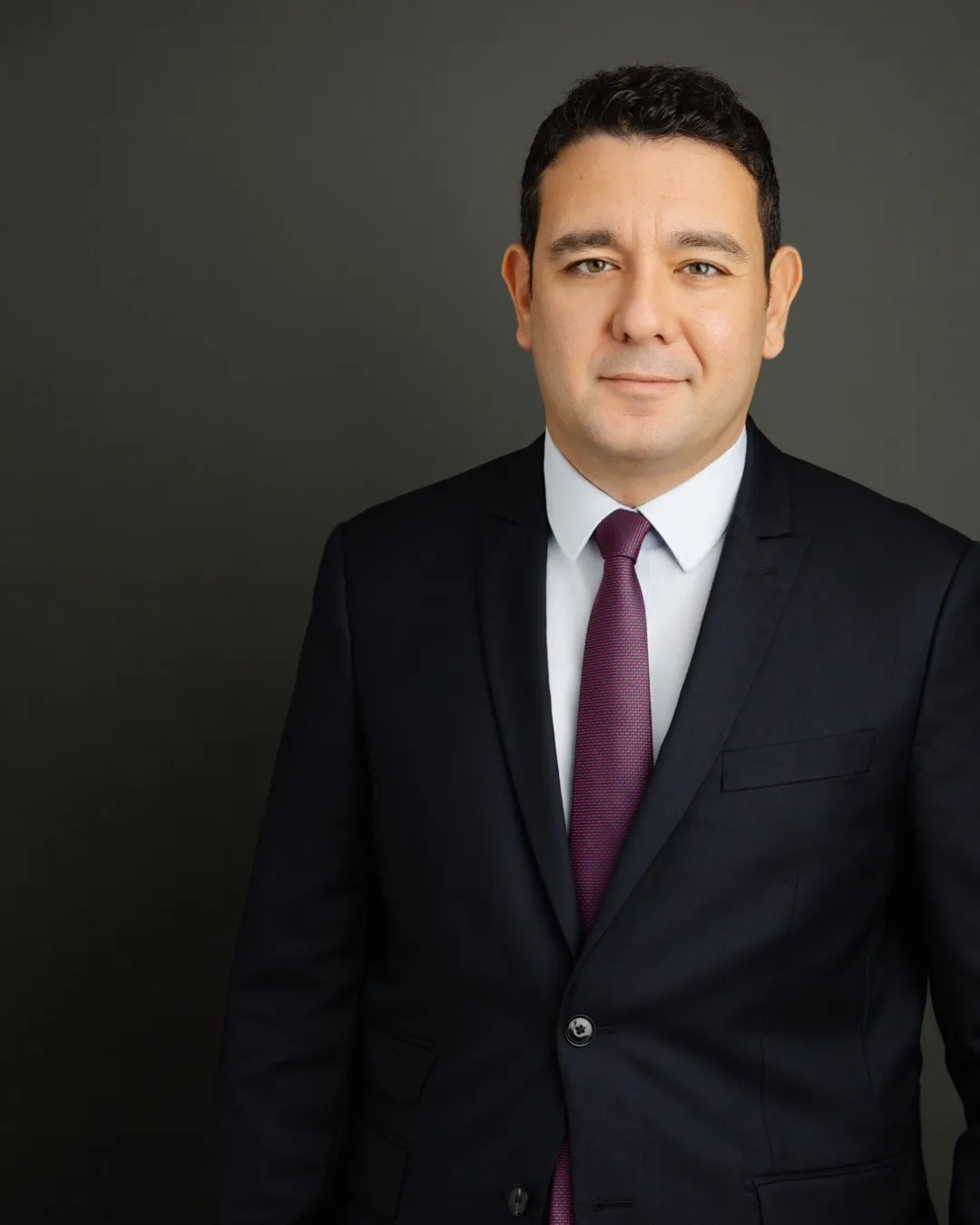
Lead counsel — Jonathan Bensaid & François Ouairy

Jonathan Bensaid, founding partner, holds a Master II in Sports Law from the University of Aix-Marseille. He advises professional sportspeople, clubs, agents and organisers on the tax, wealth and treaty aspects of their activity, drawing on his specialised training and his practice in international-mobility matters (transfers, bonuses, image rights, exit tax). François Ouairy, partner in charge of the Paris office, Best Lawyers 2026 in Tax Law and strongly recognised by Leaders League, acts on the withholding tax under article 182 A bis of the Tax Code, the application of tax treaties and the structuring of artists' companies (article 17 OECD, article 155 A of the Tax Code). The pair ensures the coordination of matters with a wealth and international dimension.

  • Master II Sports Law — Aix-Marseille
  • Best Lawyers 2026 — Tax Law
  • Leaders League — strongly recognised
  • Article 182 A bis of the Tax Code
  • Article 17 OECD
  • Article 155 A of the Tax Code
— 03

Recent publications

A selection of the firm's articles relating to international mobility, non-resident taxation and the tax litigation applicable to artists and sportspeople.

— 05

Frequently asked questions

What is the tax regime of a non-resident artist or sportsperson in France?

Sums paid to a non-resident artist or sportsperson in consideration for a service rendered or used in France are subject to the 15% withholding tax provided for by article 182 A bis of the Tax Code. This withholding applies to the gross fee, regardless of the place of payment and even where the remuneration passes through an interposed company. The bilateral tax treaty between France and the artist's State of residence then determines any elimination of double taxation.

How does article 17 OECD interact with the French withholding?

Article 17 of the OECD model allows the State of performance to tax the income of artists and sportspeople, by derogation from the rules applicable to businesses (art. 7) or to independent professions. In practice, France retains the right to tax the fees and bonuses linked to a French performance, and bilateral treaties merely organise the elimination of double taxation in the State of residence (by tax credit or exemption). The 182 A bis withholding is the technical instrument of that taxation.

What is an "artists' company" and what is the tax risk?

An artists' company (loan-out, image rights company, personal production company) is a structure interposed between the artist and the payer. Article 155 A of the Tax Code allows the French authorities to tax in France the sums paid to that company where (i) it is established outside France in a favourable regime, (ii) the person who renders the services in France controls the company or effectively benefits from the remuneration. Securing the arrangement requires genuine economic substance, fair remuneration of the artist and a clear contractual allocation between service, image and neighbouring rights.

How are a sportsperson's image rights taxed?

Image rights may be characterised as royalties (article 12 of the OECD model) or as service income depending on their contractual structure. When paid to a non-resident, they may be subject to the withholding tax of article 182 B of the Tax Code (rate varying with the nature of the income). The bilateral tax treaty may cap this rate or grant exclusive taxation to the State of residence. Structuring through a dedicated company requires guarding against the risk of article 155 A of the Tax Code.

Must a sportsperson who changes tax residence pay the exit tax?

A sportsperson who transfers their tax domicile out of France may be subject to the exit tax (Tax Code art. 167 bis) on their unrealised gains in the case of significant shareholdings (≥ 50% of a company or a value ≥ €800,000). An automatic payment deferral applies to transfers to the EU/EEA. The tax is relieved on expiry of a 2- or 5-year period if the securities are retained. See our exit tax guide.

What is the inbound-assignment regime for a sportsperson joining a French club?

The inbound-assignment regime (Tax Code art. 155 B) allows, subject to conditions, an exemption of a significant part of the remuneration of the sportsperson (inbound-assignment bonus and the part of the remuneration relating to activity carried out abroad) for a period of up to 8 years. The regime is open to sportspeople who have not been French tax residents during the 5 years preceding their taking up duties. A partial exemption also applies to certain foreign passive income and to half of foreign capital gains.

Must the organiser of an event in France withhold the tax?

Yes. The 182 A bis withholding tax is payable by the French debtor who pays the fees — whether a producer, a tour operator, a federation or an event organiser. The debtor must calculate the withholding, pay it to the non-residents' tax office and report it (form 2494 bis). Failing this, it is exposed to a reassessment with interest and penalties. Particular vigilance is required for international tours, festivals and major sporting events.

Can a foreign structure organising events in France constitute a permanent establishment?

Yes — particularly where the organisation involves a prolonged presence on French territory (premises, staff, equipment, ticketing, ancillary commercial operations). The characterisation of a permanent establishment within the meaning of article 5 of the OECD model entails taxation in France of the profits attributable to that establishment, in addition to the withholding taxes applicable to artists and sportspeople. See our study on the permanent establishment for VAT, and the coordination with direct taxation.

Cité par

A tour, a transfer, a withholding to secure?

A confidential initial consultation, without commitment. We reply within 48 business hours.

Jonathan Bensaid, avocat fondateur

Written by

Me Jonathan Bensaid, avocat fiscaliste, fondateur du cabinet Bensaid Avocats, inscrit aux Barreaux de Paris & Genève.